
The History of Padel
From a Mexican backyard to courts around the globe
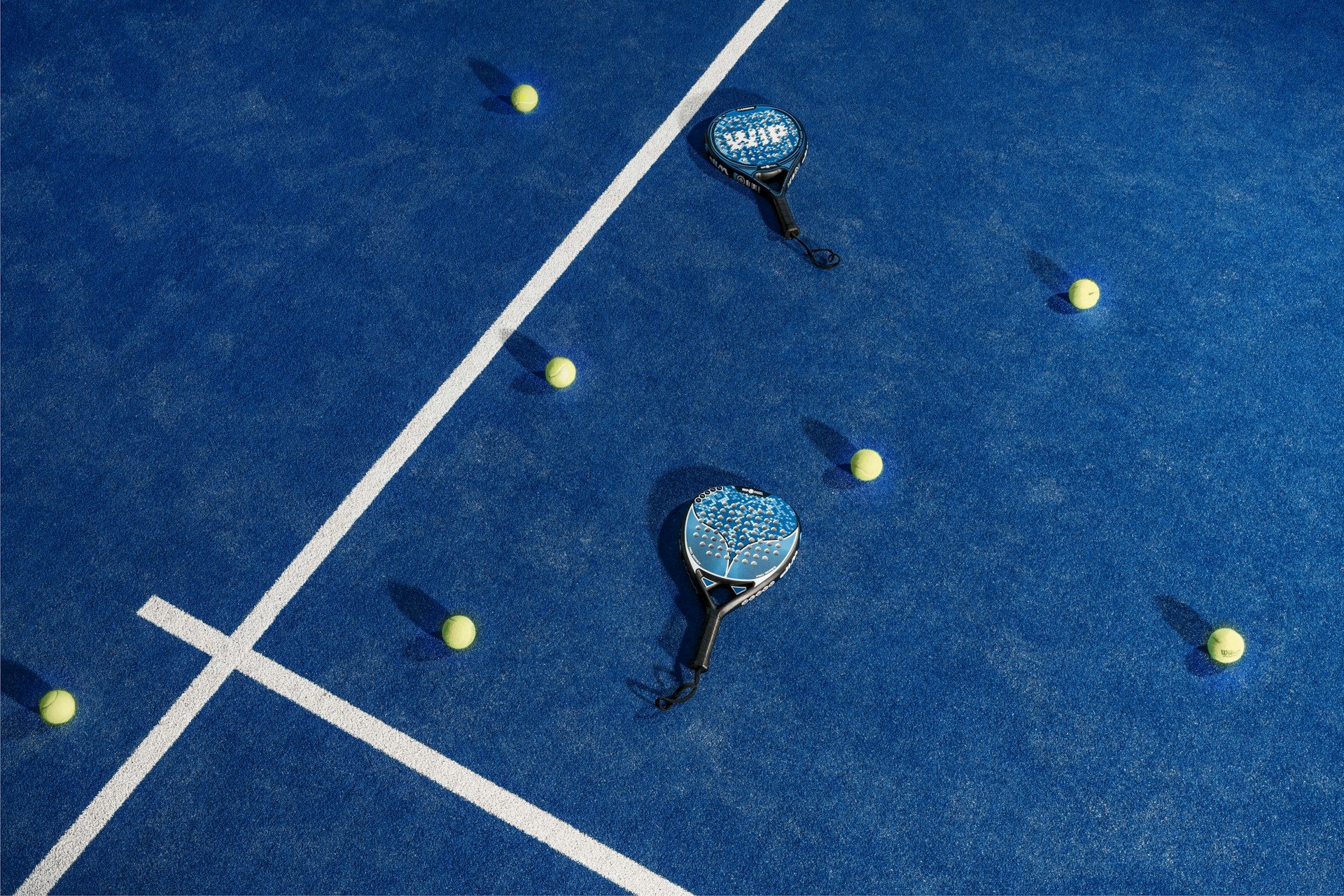
Padel combines the best elements of tennis, squash, and racquetball into one of the world's fastest-growing sports. Here's how a space problem in Acapulco became a global phenomenon with 25 million players.
Quick timeline
Acapulco, Mexico
Enrique Corcuera builds a 20×10 m court using existing walls — padel is born by accident.
Marbella, Spain
Alfonso de Hohenlohe brings padel to the Marbella Club. Spain becomes the sport's spiritual home.
Argentina
Aggressive wall play and a passionate club culture establish Latin America as a padel powerhouse.
World Padel Tour
Professional circuit launches — elite players compete across Spain, Argentina, and beyond.
Premier Padel
FIP-backed tour with Qatar Sports Investments — record prize money and global TV coverage.
The birth of padel: 1969 in Acapulco
The story begins in 1969 in Acapulco, Mexico, where businessman Enrique Corcuera wanted a tennis court at his vacation home. His property was walled in and too small for regulation tennis.
Corcuera built a smaller 20×10 m court, incorporated the walls into play, added a net, and modified the rules — inventing padel almost by accident.

Spain: where padel found its home
In 1974, Spanish Prince Alfonso de Hohenlohe visited Corcuera in Mexico and brought padel to the Marbella Club in southern Spain.
Spain became the epicentre of growth — resonating with a culture that values social outdoor sport. By the 1990s, courts spread nationwide and Spain began producing world-class players.

Did you know?
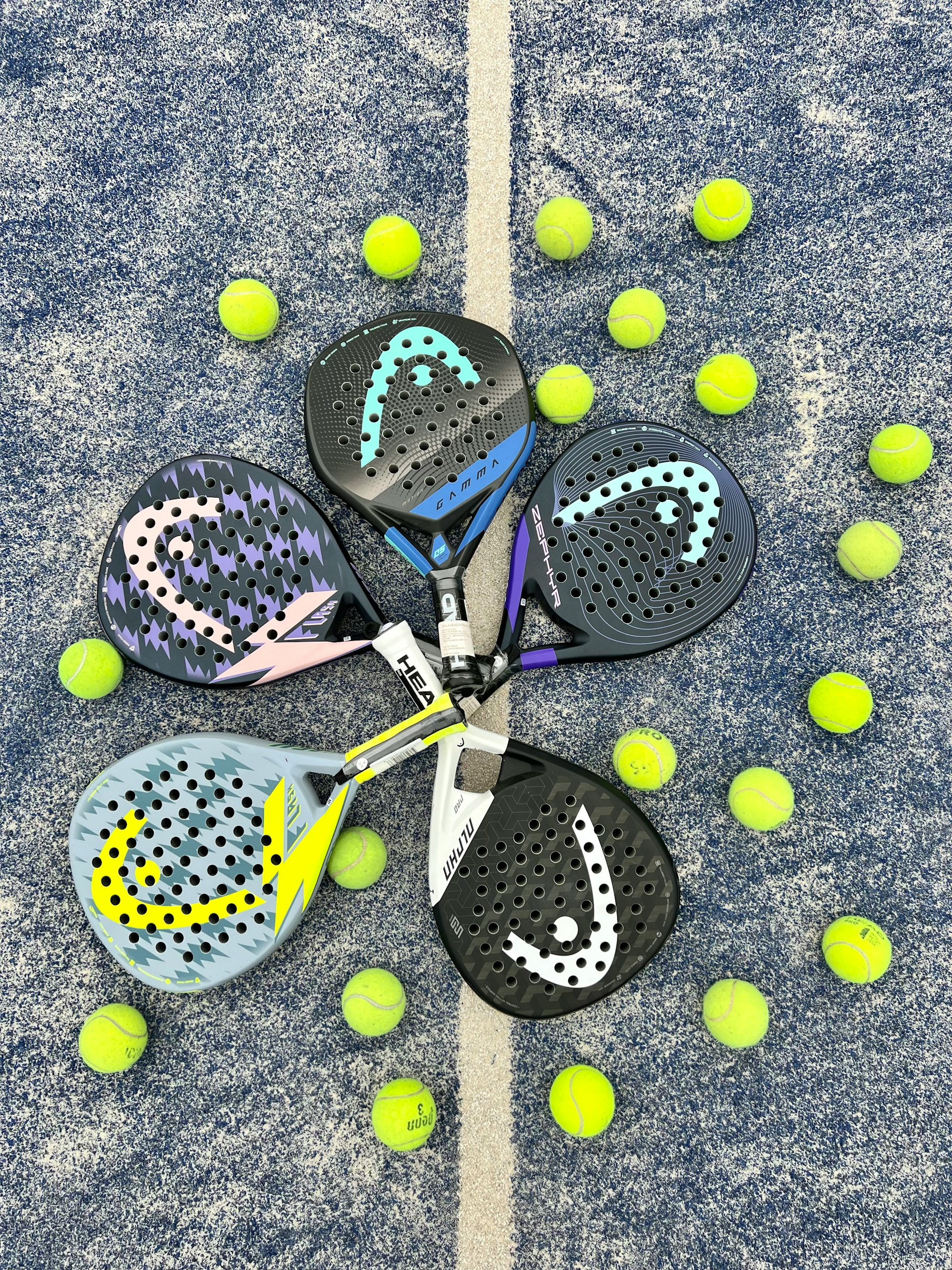
Spain has over 20,000 padel courts and more than 4 million active players — the world's leading padel nation.
Argentina and the Latin American boom
Padel took root in Argentina during the 1980s with an aggressive style built around spectacular wall shots. Today the country has over 10,000 courts and millions of passionate players.
From Argentina, the sport spread through Uruguay, Chile, Brazil, and Paraguay — establishing Latin America as a second global heartland alongside Spain.
Global expansion: 2000s to today
The 21st century transformed padel from a regional sport into a global phenomenon — with explosive growth across Europe, the Middle East (Qatar, UAE), parts of Asia, and the United States.
🇸🇪 Sweden
One of the fastest-growing markets — padel is now the country's second most popular racket sport.
🇮🇹 Italy
Thousands of new courts in recent years, with clubs in every major city.
🇫🇷 France
Rapid expansion driven by tennis clubs converting courts and new facilities.
🇬🇧 United Kingdom
Emerging market gaining traction among tennis players and urban sports clubs.
Professional padel: WPT and Premier Padel
The World Padel Tour (WPT), founded in 2013, became the premier circuit for elite players competing across multiple countries.
In 2023, Premier Padel emerged — backed by the International Padel Federation (FIP) and Qatar Sports Investments — offering record prize money and global broadcast coverage.
By the numbers
25M+
Active players worldwide
110+
Countries playing padel
40,000+
Courts worldwide
20,000+
Courts in Spain alone
Why has padel become so popular?
1
Easy to learn, hard to master
Smaller court and forgiving rallies welcome beginners; wall tactics and net play reward years of practice.
2
Social and inclusive
Doubles-only format makes padel inherently social — mixed skill levels can enjoy matches together.
3
Less physical demand
Less running than tennis, accessible to older players, while still delivering intense cardio.
4
Space efficient
Two padel courts fit roughly one tennis court footprint — ideal for urban clubs.
5
Spectacular to watch
Wall rebounds, net battles, and athletic dives drive TV viewership and sponsorship growth.
The future of padel
Industry projections suggest padel could reach 50 million players by 2030. Major brands — Adidas, Head, Wilson, Bullpadel, and Nox — invest heavily in equipment and sponsorships.
Tennis stars including Novak Djokovic, Rafael Nadal, and Andy Murray have invested in padel facilities, bringing mainstream attention. Olympic inclusion remains a long-term goal as the sport consolidates its global status.
Common questions
Who invented padel?
Mexican businessman Enrique Corcuera in Acapulco, 1969. He adapted a walled space too small for tennis into the enclosed court format played today.
Why did padel explode in Spain?
Spanish culture values outdoor social sport. Marbella's early adoption, club infrastructure, and pro player development created a self-reinforcing growth loop.
WPT vs Premier Padel?
World Padel Tour (2013) was the original pro circuit. Premier Padel (2023) is FIP-backed with major investment — both now coexist at the top level.
Will padel become Olympic?
Talk continues as the sport grows past 25 million players. Olympic inclusion would mark ultimate global recognition — likely years away.
Learn more
Courts, rules, rankings, and gear — continue your padel journey.
Ready to join the padel revolution?
From Corcuera's backyard to millions of players worldwide — find your first racket and start playing.